Vegan and plant-based are not exactly the same. A vegan diet excludes animal-derived foods and is often part of a broader lifestyle shaped by animal welfare and ethical choices. A plant-based diet, on the other hand, focuses on making foods from plants the foundation of your meals but may still allow some animal products depending on personal preferences.
The distinction sounds simple, but choosing between them can raise practical questions: Do you need to give up every animal product to eat more healthily? Can you travel comfortably if your partner eats differently? Will plant-based meals provide enough variety? And how can you maintain your preferred way of eating without turning a holiday into another set of rules?
This guide explains the differences between vegan vs plant-based, helps you decide which approach better fits your values and lifestyle, and explores how flexible plant-based dining at TIA Wellness Resort can make healthy eating feel easier during a wellness holiday in Vietnam.
What is Vegan?
The term vegan refers to a lifestyle and dietary choice that avoids the use of animal products as much as possible. While many people associate veganism with food alone, it extends beyond what is on the plate to include everyday choices that aim to reduce harm to animals and promote more compassionate living.
From a dietary perspective, a vegan diet excludes all animal-derived foods, including:
- Meat, poultry, and seafood
- Dairy products such as milk, cheese, butter, and yogurt
- Eggs
- Honey and other ingredients produced by animals
- Foods containing animal-based additives, such as gelatin or certain food colorings
Beyond food, many vegans also choose products that are free from animal-derived materials and are not tested on animals. This may include clothing made without leather, wool, silk, or fur, as well as cruelty-free cosmetics, skincare, and household products.
People choose a vegan lifestyle for different reasons. For many, animal welfare is the primary motivation, while others are inspired by the potential environmental benefits of reducing animal agriculture or the opportunity to adopt healthier eating habits. Regardless of the reason, a well-planned vegan diet typically emphasizes whole, nutrient-rich plant foods such as vegetables, fruits, legumes, whole grains, nuts, and seeds, creating meals that are both satisfying and nourishing.
Although veganism requires more careful planning to ensure adequate intake of nutrients like vitamin B12, iron, calcium, omega-3 fatty acids, and protein, it can support long-term health when balanced appropriately. Today, with a growing variety of plant-based alternatives and creative vegan cuisine available, following a vegan lifestyle has become more accessible than ever.
What is Plant-Based?
A plant-based diet focuses on eating mostly foods that come from plants, including vegetables, fruits, whole grains, legumes, nuts, seeds, and herbs. Unlike veganism, being plant-based does not necessarily mean eliminating all animal products. Instead, the emphasis is on making plant foods the foundation of everyday meals while allowing flexibility based on individual preferences and health goals.
Depending on the approach, someone following a plant-based diet may occasionally include small amounts of foods such as dairy, eggs, fish, or lean meat. The goal is not strict avoidance but rather to prioritize whole, minimally processed plant foods that provide a wide range of essential nutrients.
Many people choose a plant-based lifestyle because of its well-recognized health benefits. Diets rich in plant foods are associated with improved heart health, better digestion, more stable energy levels, and a lower risk of chronic conditions such as type 2 diabetes and high blood pressure. They are also naturally high in fiber, vitamins, minerals, and antioxidants, all of which support overall wellbeing.
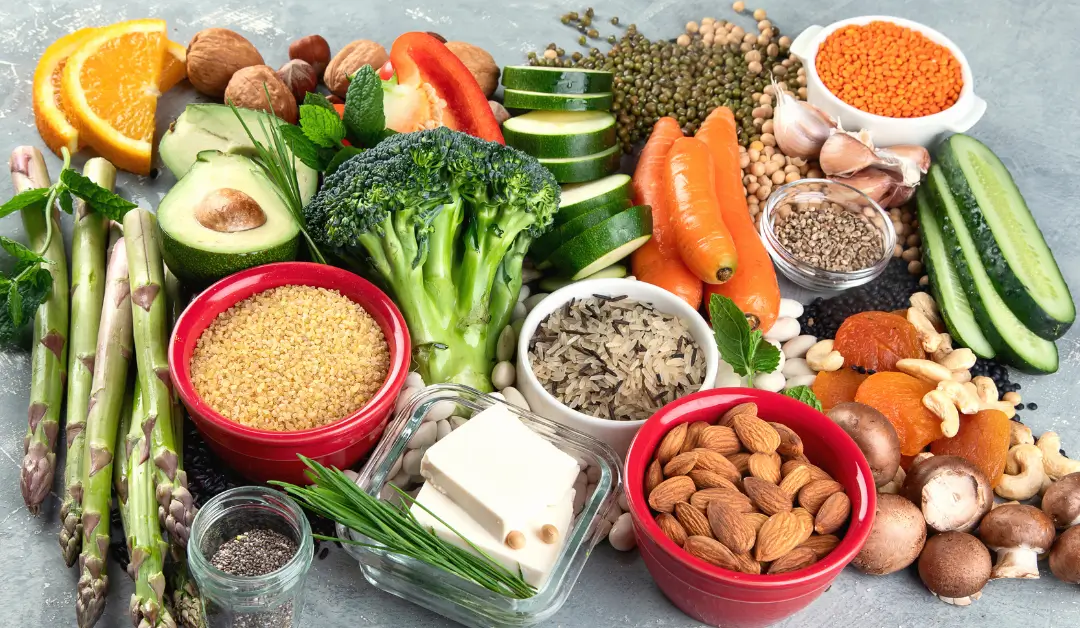
Beyond personal health, a plant-based diet is often seen as a more sustainable way of eating. By reducing reliance on animal products and increasing consumption of plant foods, individuals can help lower their environmental footprint through reduced greenhouse gas emissions, water usage, and land consumption.
One of the biggest advantages of a plant-based diet is its flexibility. Rather than following a strict set of rules, it encourages mindful food choices and allows people to transition at their own pace. Whether someone enjoys fully plant-based meals every day or simply wants to incorporate more vegetables and whole foods into their routine, this approach offers an accessible and sustainable path toward healthier living.
Vegan vs Plant-Based: The key differences
Although the terms vegan and plant-based are often used interchangeably, they represent two distinct approaches to eating and living. Both emphasize plant foods and can contribute to better health and a lower environmental impact, but they differ in their purpose, level of restriction, and overall philosophy.
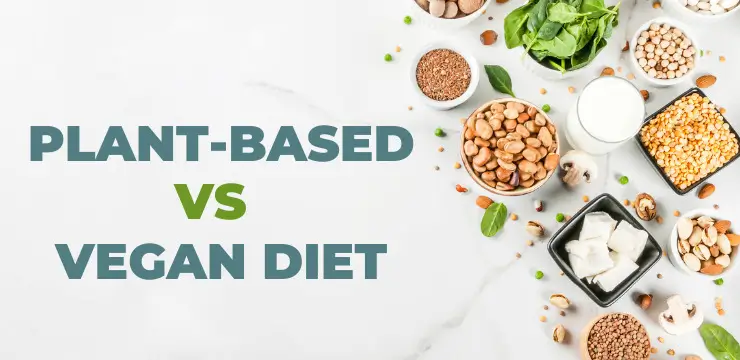
The table below highlights the main differences between the two:
| Aspect | Vegan | Plant-Based |
| Primary focus | Avoiding animal exploitation and promoting animal welfare | Prioritizing health, nutrition, and overall wellbeing |
| Diet | Excludes all animal-derived foods | Primarily plant foods, with optional small amounts of animal products |
| Animal products | Meat, seafood, dairy, eggs, honey, and other animal-derived ingredients are completely avoided | May occasionally include dairy, eggs, fish, or lean meat, depending on personal preference |
| Lifestyle | Extends beyond food to include cruelty-free clothing, cosmetics, and household products | Focuses mainly on dietary choices rather than a broader lifestyle philosophy |
| Flexibility | Follows a clear set of guidelines with little flexibility | More adaptable and can be tailored to individual goals and habits |
| Common motivation | Ethical concerns, environmental responsibility, and health | Improving health, increasing nutrient intake, and supporting sustainable eating habits |
Vegan vs Plant-Based: Which Approach Is Right for You?
Neither approach is automatically better.
The more useful question is:
What are you actually trying to achieve?
Choose vegan if your priority is ethical consistency
A vegan lifestyle may suit you if avoiding animal products is connected to your values around animal welfare and consumption beyond food.
The clearer boundaries can also appeal to people who prefer a defined framework rather than deciding meal by meal.
Choose plant-based if you want more flexibility
Plant-based eating may suit you if your main objective is to:
- Eat more vegetables and whole foods.
- Reduce rather than completely eliminate animal products.
- Make gradual dietary changes.
- Maintain flexibility while travelling or eating socially.
- Find a way of eating that feels easier to sustain.
You do not have to label yourself at all
You can also simply choose more plant-based meals without identifying as vegan or plant-based.
For some people, replacing several meals each week with dishes based on vegetables, legumes, grains, nuts and seeds is a more realistic starting point than adopting an entirely new dietary identity.
10 Questions to Ask Yourself Before Choosing Vegan or Plant-Based
- Is your motivation primarily ethical or nutritional?
If animal welfare is central to your decision, veganism may align more closely with your values.
If your priority is changing how you eat while maintaining flexibility, plant-based may be easier to integrate.
- Do you prefer clear rules or flexibility?
Some people find defined boundaries easier.
Others feel restricted when too many foods become “off limits”.
Knowing which style works better with your personality can matter as much as knowing the nutritional differences.
- Are you comfortable planning your nutrition more carefully?
A more restrictive diet generally requires more attention to food choices.
Ask whether you are willing to learn about ingredients, meal composition and nutrients rather than simply removing animal products.
- How important is eating socially?
Think about:
- Eating with family.
- Restaurants.
- Work events.
- Holidays.
- Travelling with a partner.
- Visiting destinations where vegan choices may be less familiar.
If flexibility is especially important, plant-based eating may reduce friction.
- Does your partner or family eat differently?
This becomes especially relevant while travelling.
Choosing a fully vegan restaurant or resort may work perfectly for one person while leaving another person feeling restricted.
A flexible plant-based approach can make shared meals easier when dietary preferences differ.
- Do you want to make the change gradually?
You do not have to move from your current diet to a completely vegan lifestyle overnight.
A plant-based approach can allow you to experiment with new meals and ingredients before deciding whether you want to go further.
- Are you concerned that plant-based food will not be satisfying?
Plant-based eating does not have to mean salad.
Complete meals can combine vegetables with:
- Legumes.
- Tofu or tempeh.
- Whole grains.
- Nuts.
- Seeds.
- Healthy fats.
- Herbs and spices.
The quality and composition of the meal matter more than the label.
- Are you looking for weight loss or a particular health outcome?
Neither “vegan” nor “plant-based” automatically means healthy.
A diet can technically be vegan while containing many highly processed foods.
Rather than relying only on labels, pay attention to food quality, variety and whether your overall eating pattern suits your individual needs.
- Will the way you eat still feel enjoyable?
A sustainable eating pattern needs to work in real life.
If every meal creates anxiety about ingredients or makes social occasions difficult, the approach may need adjusting.
- How do you want food to make you feel?
Some people want more energy.
Others want lighter meals, easier digestion or simply a better relationship with food.
Your answer can help determine whether you need a strict philosophy or a more flexible framework.
Vegan vs Plant-Based When Travelling: What Changes?
Dietary choices often become more complicated once you leave home.
At home, you know:
- Which ingredients you buy.
- Which restaurants you trust.
- How meals are prepared.
- What works for your body.
While travelling, many of those certainties disappear. This creates several common concerns.
| Traveller concern | What usually causes the problem | How TIA’s approach helps |
| “I’m plant-based but my partner isn’t.” | One restaurant or resort may cater strongly to only one diet | Guests can choose plant-based meals while others can select different options |
| “I don’t want the same salad every day.” | Vegetarian menus may have very limited variety | Plant-based dining focuses on complete meals using grains, legumes, vegetables, nuts and seeds |
| “I want healthy food but not a restrictive holiday.” | Strict food rules can make travelling stressful | TIA’s approach focuses on balance and choice |
| “I don’t want to wake up just for breakfast.” | Traditional hotel breakfast hours can dictate the morning schedule | All-Day Breakfast supports a more flexible holiday rhythm |
| “I don’t know what will suit my energy that day.” | Travellers may want lighter or more substantial meals at different times | Eat Light, Feel Bright helps guests make more informed choices |
| “I want food to support my retreat.” | Standard restaurant dining may not align with the wellness programme | Retreat Inclusive can incorporate curated plant-based meal plans |
| “I don’t want to research restaurants every day.” | Dietary requirements create constant decision-making | Dining is integrated within the resort experience |
| “I want something I can continue after the holiday.” | Extreme diets can be difficult to sustain | Plant-based eating allows guests to explore habits without necessarily following strict rules |
Enjoy nourishing Plant-Based dining at TIA Wellness Resort
Recognized as a premier plant-based wellness resort in Viet Nam, TIA Wellness Resort believes that plant-based dining is more than a menu choice. It is an integral part of the resort’s holistic wellness philosophy, where every meal is thoughtfully designed to nourish both body and mind. Rather than focusing on restriction, TIA celebrates fresh, wholesome ingredients that make healthy eating enjoyable, balanced, and full of flavor.
Every dish is carefully prepared using seasonal vegetables, fruits, legumes, whole grains, nuts, and seeds, with cooking methods that preserve both natural taste and nutritional value. The result is a vibrant dining experience that supports sustained energy, mindful eating, and overall wellbeing. Whether you follow a vegan or plant-based lifestyle, or simply want to incorporate more nutritious meals into your holiday, TIA offers a menu that caters to a variety of dietary preferences.
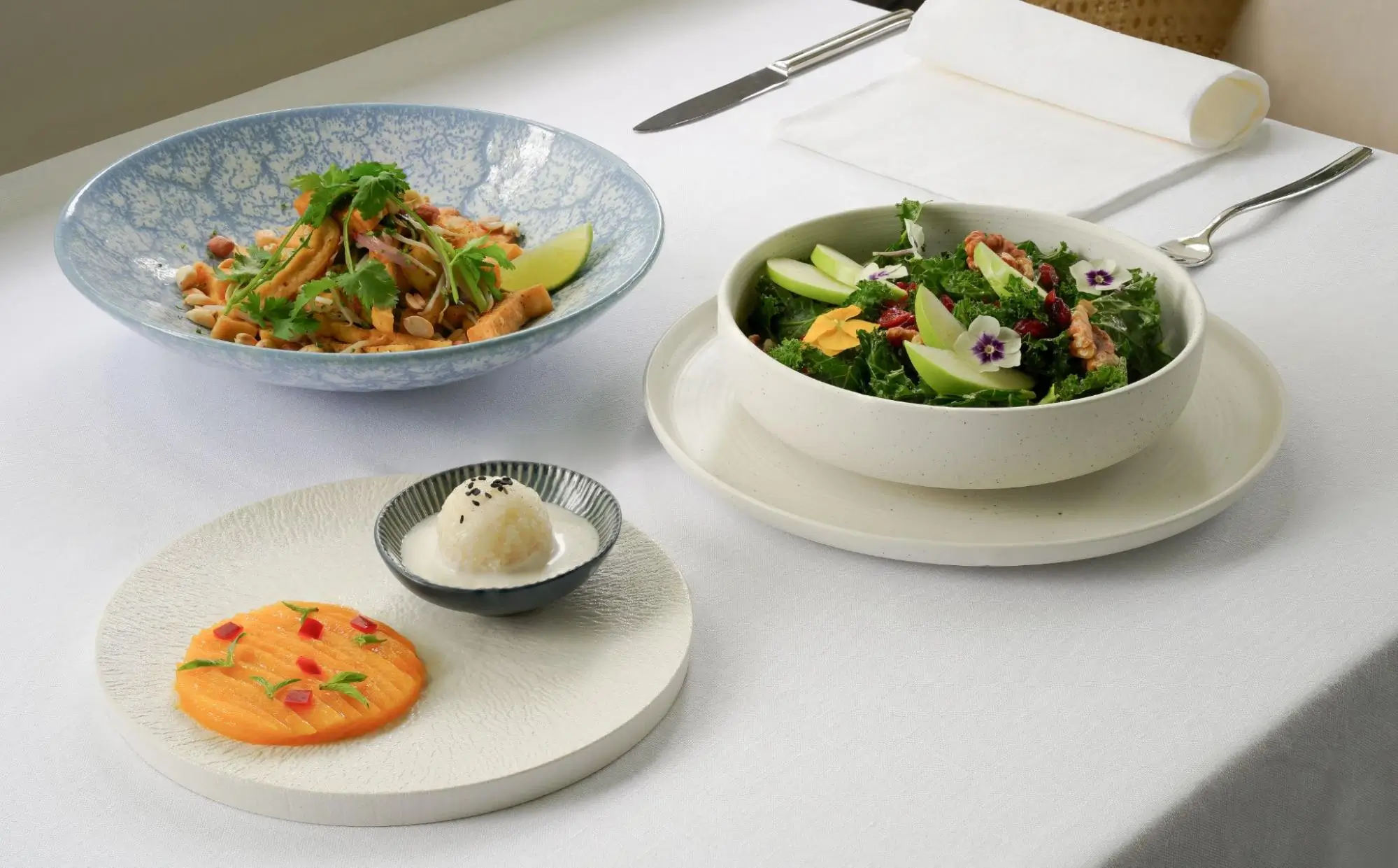
One of the resort’s signature dining concepts is Eat Light, Feel Bright, a wellness rating system that helps guests make informed food choices based on how meals may influence their energy levels. Lighter dishes are designed to leave you feeling refreshed and energized, making it easy to select meals that align with your personal goals while still enjoying exceptional flavors.
For guests participating in Retreat Inclusive programs, TIA also offers carefully curated plant-based meal plans that complement each retreat experience. Depending on the program, guests can enjoy nourishing menus tailored to support objectives such as detoxification, intermittent fasting, or higher protein intake. Every meal is created to work in harmony with the body’s natural rhythms while delivering a memorable culinary experience.
The journey continues beyond the dining table. Guests can enjoy TIA’s flexible All-Day Breakfast, explore refreshing wellness beverages, or join healthy cooking classes that provide practical inspiration for preparing wholesome meals at home. These experiences encourage mindful eating habits that can become part of everyday life long after the holiday ends.
At TIA Wellness Resort, plant-based dining is not about following strict rules. It is about discovering how fresh, thoughtfully prepared food can nourish the body, elevate the senses, and become a meaningful part of a balanced and fulfilling journey.
What Could a Vegan vs Plant-Based Day at TIA Look Like?
The difference between vegan and plant-based becomes much easier to understand when you see it on the plate.
At TIA, guests do not have to approach healthy eating in exactly the same way. A vegan guest can focus entirely on plant-derived choices, while someone following a more flexible plant-based approach can make plants the foundation of each meal without necessarily excluding every animal-derived ingredient.
Below are two sample days inspired by dishes and meal plans currently published by TIA Wellness Resort.
Note: These are illustrative sample combinations rather than fixed daily menus. Menus and ingredients may change seasonally. Guests following a strict vegan diet, managing allergies or requiring avoidance of cross-contact should confirm individual dishes with TIA before arrival.
Sample 1: A Vegan Day at TIA
Designed for a guest who wants to avoid animal-derived foods throughout the day.
| Time | Sample TIA menu | What you are eating | Why it works |
| Breakfast | Mindful Vegan Breakfast Platter | Seasonal fruits, pumpkin bread, seed loaf, mindful mangoes, cashew cheese, vegan ricotta, sundried tomatoes, homemade jam and cashew butter | A more complete vegan breakfast than simply fruit or toast, combining carbohydrates, nuts, seeds and plant-based spreads |
| Mid-morning | Wellness beverage or herbal infusion | A lighter drink between breakfast and lunch | Useful when you want hydration without turning every break into another full meal |
| Lunch – Starter | Chilled Cucumber & Lime Soup | Cucumber and lime with green peppercorns, herbs, edamame and lotus seed | Fresh and light while adding legumes and seeds rather than relying only on vegetables |
| Lunch – Main | Sweet Potato & Chickpea Patties | Sweet potato and chickpea patties with tahini-garlic sauce, mustard cress and avocado salad | Chickpeas, tahini and avocado make the meal more substantial and satisfying |
| Lunch – Dessert | Hibiscus Poached Pears | Pears poached in hibiscus tea with dark chocolate, coconut sauce and toasted hazelnuts | Shows that plant-based dining can still include a composed dessert rather than feeling restrictive |
| Afternoon | Private pool or wellness time | Rather than adding another scheduled meal, follow hunger and energy levels | Fits TIA’s wider philosophy of eating and resting according to the body’s rhythm |
| Dinner – Starter | Pomelo & Watermelon Salad | Pomelo, watermelon, sprouts, chilli, herbs and black sesame | A fresh first course after a slower afternoon |
| Dinner – Main | Vietnamese Phở Ăn Chay | Shiitake mushrooms, edamame, bean sprouts and basil | Provides a familiar Vietnamese experience without requiring animal-derived protein |
| Evening | Herbal infusion or another suitable wellness beverage | A gentle end to the day | Supports the idea that wellness dining extends beyond the three main meals |
TIA’s current In-Villa Dining menu includes a Mindful Vegan breakfast platter, while its published Retreat Inclusive plant-based meal plan includes dishes such as Chilled Cucumber & Lime Soup, Sweet Potato & Chickpea Patties, Hibiscus Poached Pears and Vietnamese Phở Ăn Chay.
Who might prefer this vegan approach?
This style may suit you if:
- You already follow a vegan diet.
- Avoiding animal-derived food is important to your personal values.
- You do not want every restaurant meal to require another negotiation about ingredients.
- You want to explore Vietnamese flavours without giving up your dietary preferences.
- You are joining a retreat where plant-based nutrition is an important part of the experience.
For strict vegan guests, the most important step is still to communicate dietary requirements clearly before arrival, particularly if ingredient sourcing or cross-contact matters to you.
Sample 2: A Flexible Plant-Based Day at TIA
This version is designed for someone who wants plants to make up most of the day, but does not necessarily want to exclude dairy, seafood, eggs or other animal-derived foods completely.
| Time | Sample TIA menu | What you are eating | Why it works |
| Breakfast – whenever you are ready | Tropical Granola Bowl | Homemade granola, plain yogurt, pineapple, dragon fruit, mango, watermelon, coconut flakes, dark chocolate and cashew butter | Mostly built around fruits, grains, coconut and nuts, while still including yogurt – a simple example of plant-based not necessarily meaning vegan |
| Late morning | Yoga, Breathwork or pool time | No need to eat according to a conventional hotel timetable | All-Day Breakfast lets the meal follow your morning rather than dictate it |
| Lunch | Probiotic Power Bowl | Tempeh, brown rice, beetroot, cauliflower, walnuts, pickled vegetables and greens | A complete plant-focused meal built around whole grains, fermented soy, vegetables and nuts |
| Afternoon | Functional smoothie or wellness beverage | Choose according to appetite and activity level | Allows food and drinks to support the rhythm of the day rather than rigid meal rules |
| Dinner | Soulful Vietnamese Noodles | Choose the plant-based version or, if your personal plant-based approach allows it, one of TIA’s protein versions | Demonstrates the central advantage of a flexible plant-based approach: plants remain the foundation without every meal requiring strict exclusion |
| Optional evening experience | A light dessert, beverage or wine according to preference | TIA also offers broader dining choices beyond plant-based dishes | The holiday can remain mindful without becoming restrictive |
TIA’s current dining information specifically describes the Probiotic Power Bowl and states that its Soulful Vietnamese Noodles and Nourishing Banh Mi are available in both plant-based and protein versions. Its current breakfast menu also includes the Tropical Granola Bowl with yogurt.
Who might prefer this plant-based approach?
This style may suit you if:
- You want to eat more vegetables, whole grains and plant proteins without becoming fully vegan.
- You are new to plant-based eating.
- You want healthy meals but dislike rigid dietary rules.
- You are travelling with a partner or family whose food preferences are different.
- You want the freedom to enjoy seafood or another non-vegan choice occasionally.
- You want wellness to feel sustainable after the holiday rather than like a temporary detox.
Vegan vs Plant-Based at TIA: The Difference in One Meal
Imagine two guests having dinner together.
Guest A follows a vegan lifestyle.
They choose the plant-based version of a dish and avoid animal-derived ingredients throughout the meal.
Guest B follows a plant-based approach.
They may start with the same vegetable-focused dish, but choose a protein version of the main course or include yogurt, seafood or another animal-derived ingredient if it fits their preferences.
They can still sit at the same table, in the same resort and share the same wellness holiday.
That flexibility is particularly valuable for couples and families where only one person follows a vegan or plant-based diet.
Which TIA Experience Fits Each Style?
| Vegan traveller | Plant-based traveller | |
| Regular TIA stay | Possible with suitable plant-based choices; communicate strict requirements in advance | Very suitable because meals can remain flexible |
| Wellness Inclusive | Good if you want vegan-friendly dining combined with daily wellness | Good for balancing healthy eating, wellness and dining freedom |
| Retreat Inclusive | Stronger option when structured plant-based nutrition is important | Strong option if nutrition supports a wider wellness goal |
| Private Retreat | Suitable when plant-based nutrition is part of a specific retreat objective | Suitable when you want nutrition personalised around recovery or wellbeing |
| Travelling with a non-vegan partner | Particularly useful because the other guest does not have to follow the same diet | Very easy to accommodate different preferences |
Retreat Inclusive guests currently follow a structured plant-based meal plan, while TIA also offers programmes aligned with goals such as high-protein nutrition, raw detox and intermittent fasting.
The Real Luxury Is Not Having to Think About Every Meal
For many vegan and plant-based travellers, the biggest difficulty is not giving up a particular food.
It is the mental effort of constantly checking menus, researching restaurants and explaining dietary preferences.
A well-designed wellness stay should remove some of that friction.
At TIA, the experience can connect:
Plant-based dining → All-Day Breakfast → wellness treatments → movement → private pool villa → rest.
This means the guest can spend less time managing the holiday and more time actually experiencing it.
And because TIA is not exclusively vegetarian, the person travelling with you does not necessarily have to make the same dietary choices.
Planning a wellness stay in Da Nang? Explore TIA’s dining options and Wellness Inclusive experience, then check Private Pool Villa availability for your travel dates.
Conclusion
Understanding the difference between vegan and plant-based is the first step toward making more informed choices about the way you eat and live. While veganism is rooted in ethical principles that extend beyond food, a plant-based lifestyle focuses on enjoying more wholesome, nutrient-rich ingredients to support long-term health and wellbeing. Neither approach is universally better. The best choice is the one that aligns with your personal values, lifestyle, and wellness goals.
At TIA Wellness Resort, every meal is an opportunity to reconnect with your body through fresh, thoughtfully prepared cuisine. Whether you already follow a vegan lifestyle or are simply exploring the benefits of plant-based eating, TIA invites you to discover how mindful dining can become a meaningful part of your wellness journey. After all, healthy eating is not about perfection. It is about creating sustainable habits that help you feel your best, one nourishing meal at a time.