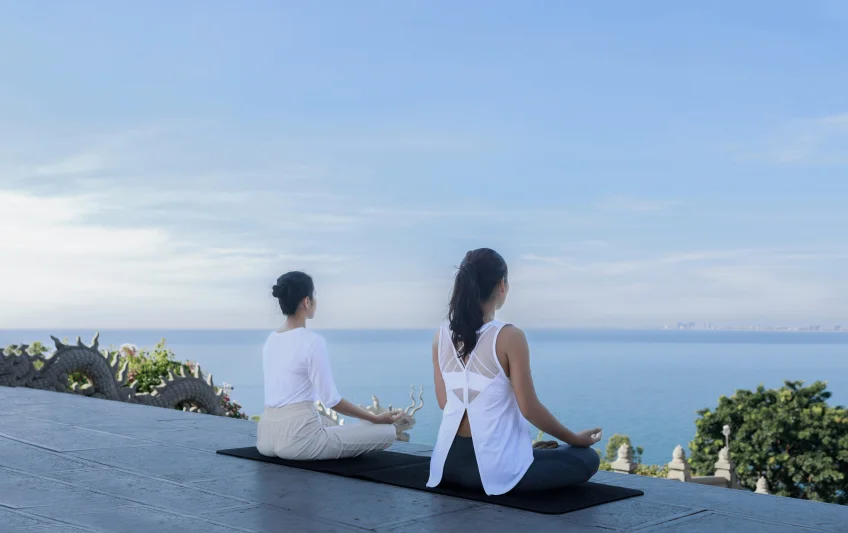
There are moments when physical rest is not enough. You may take a vacation, sleep longer, or step away from work for a few days, yet still feel mentally exhausted and emotionally drained. In a world that constantly demands our attention, many people are discovering the value of slowing down, not just to relax, but to reconnect with themselves. An emotional healing retreat offers a dedicated space to pause, reflect, and process emotions that are often overlooked in daily life. In this article, we’ll explore what an emotional healing retreat is, its key benefits, and how it can support lasting personal change.
What is an Emotional Healing Retreat?
An emotional healing retreat is a purposeful getaway that allows people to step away from daily routines and focus on their emotional wellbeing. Rather than filling each day with sightseeing or activities, these retreats encourage a slower pace, giving guests the opportunity to rest, reflect, and cultivate greater self-awareness .
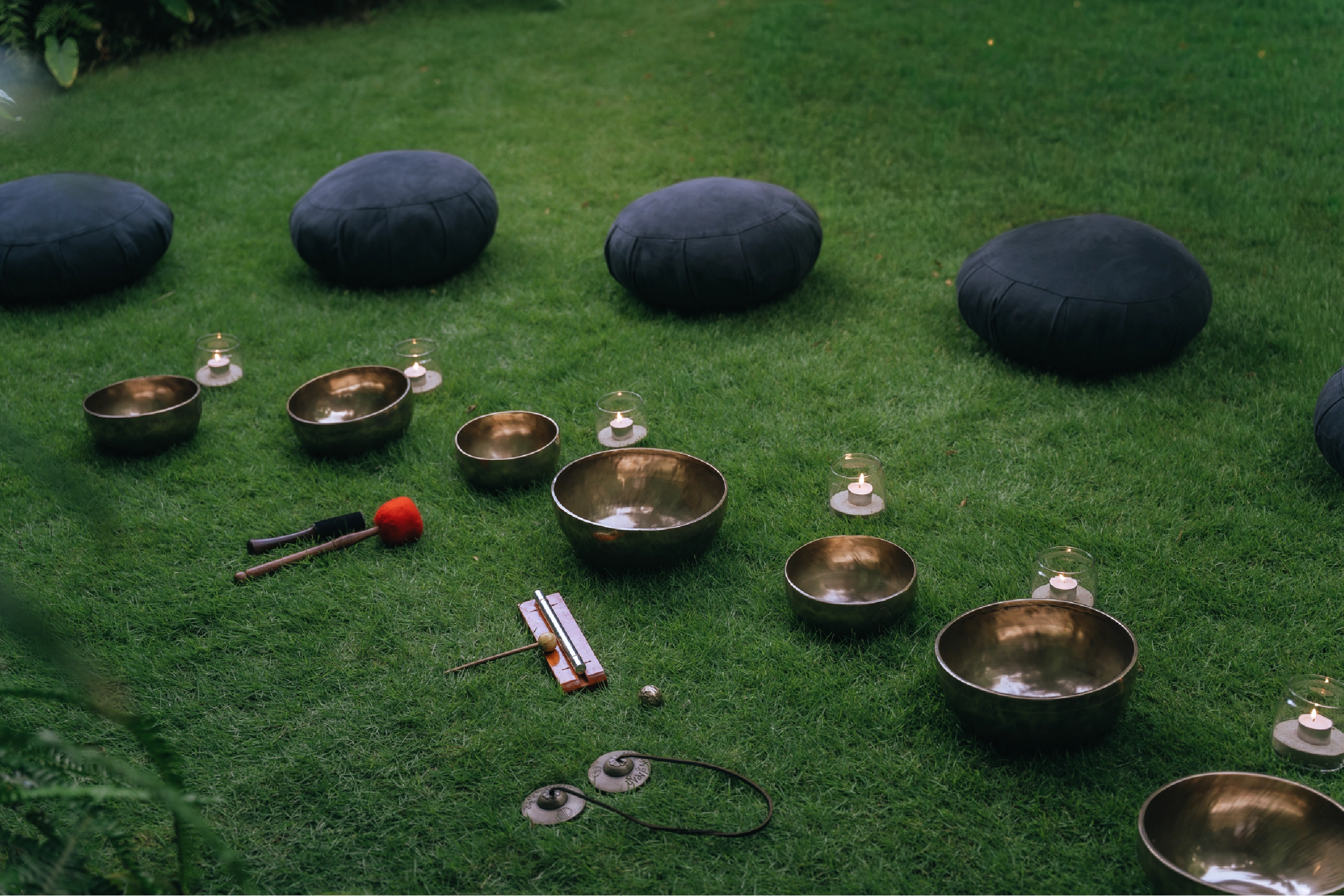
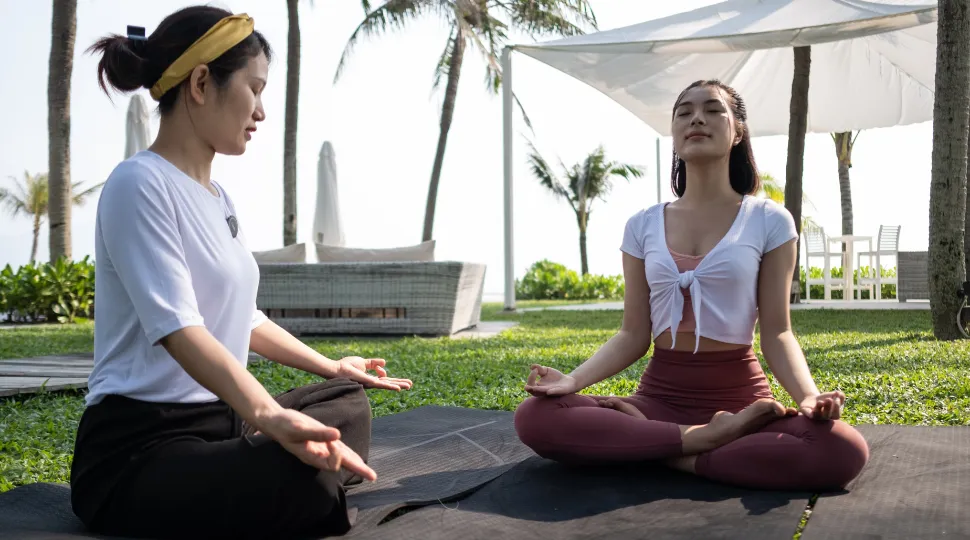
Many of us spend so much time responding to deadlines, family responsibilities, and everyday challenges that we rarely process how we truly feel. An emotional healing retreat creates a supportive environment where that becomes possible, offering space to explore emotions, gain perspective, and develop healthier ways to manage stress. The experience often includes practices such as meditation, mindful movement, breathwork, journaling, or time in nature, designed to encourage presence and reflection rather than any specific outcome.
At its core, an emotional healing retreat is an opportunity to pause, listen inward, and create room for personal renewal, something that is often difficult to do amid the demands of modern life. This holistic approach also reflects what a wellness retreat really means: creating the time and space to nurture both emotional and physical wellbeing in a sustainable, intentional way.
Benefits of an Emotional Healing Retreat
An emotional healing retreat is more than a chance to take a break from everyday life. By creating space for rest, reflection, and self-discovery, it can support emotional wellbeing in ways that continue long after the retreat ends.

- Reduced stress and emotional overwhelm: Stepping away from daily pressures allows the mind and body to relax, helping to ease feelings of stress, anxiety, and emotional fatigue.
- Greater self-awareness: Dedicated time for reflection can help individuals better understand their emotions, needs, and personal priorities.
- Improved emotional resilience: Mindfulness-based practices often encourage healthier responses to challenges, making it easier to navigate difficult situations with a sense of balance.
- Enhanced mental clarity: A slower pace and fewer distractions can help clear mental clutter, allowing for better focus and decision-making.
- Stronger connection with yourself: Emotional healing retreats provide an opportunity to reconnect with personal values, interests, and goals that may have been overlooked in daily life.
- Healthier relationships: Developing a better understanding of your own emotions can contribute to more meaningful communication and stronger connections with others.
- Positive lifestyle habits: Many participants leave with practical tools and routines that support emotional wellbeing, helping them maintain a greater sense of balance after returning home.
Thus, it can be seen that, the time spent slowing down and turning inward can become a valuable foundation for a more mindful, and fulfilling life.
Common Practices Used in Emotional Healing Retreats
The emotional healing retreats are exactly alike. Some focus on mindfulness and meditation, while others incorporate movement, creative expression, or therapeutic wellness experiences. Despite these differences, most retreats share a common goal: creating opportunities for guests to slow down, and cultivate a greater sense of emotional balance.
1. Mindfulness and Meditation Practices
One of the most common elements of an emotional healing retreat is mindfulness. Rather than trying to control emotions, mindfulness encourages observing thoughts and feelings with awareness and acceptance. Meditation sessions may range from guided practices for beginners to silent reflection, helping participants become more present and respond to challenges with greater calm.
2. Breathwork and Gentle Movement
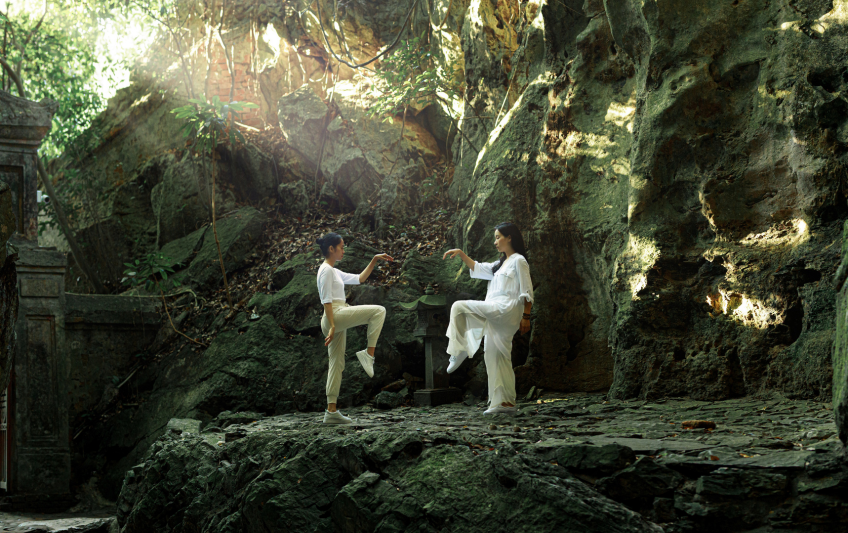
Emotions live not only in the mind but in the body. Stress, tension, and fatigue can accumulate physically, making it hard to fully relax. This is why many retreats include practices breathwork, yoga and mindful movement.
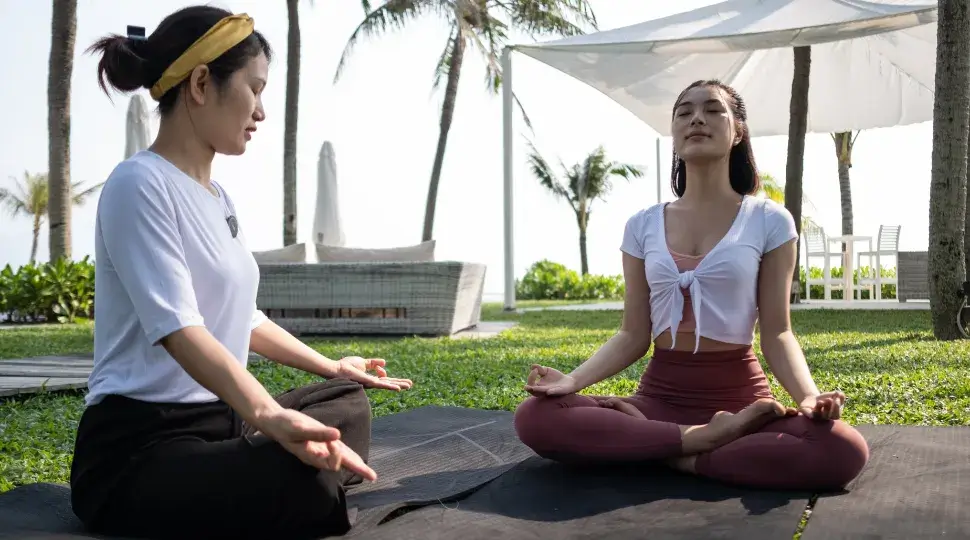
Conscious breathing helps participants feel calmer and more grounded, while gentle movement releases built-up tension and restores a sense of ease. Together, these practices offer a simple yet powerful way to reconnect body and mind, bringing a deeper sense of presence and calm.
3. Nature Immersion and Wellness Therapies
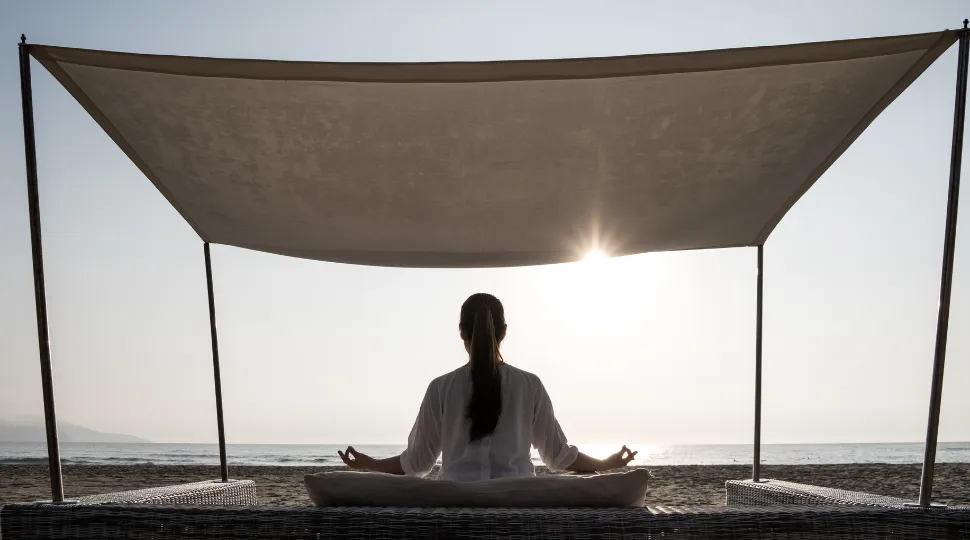
A change of environment plays an important role in emotional restoration. Many retreats are set in peaceful natural surroundings, where you can walk, rest, or simply enjoy the calm of the outdoors.
Alongside these experiences, wellness retreats such as massage treatments, or other restorative experiences designed to promote relaxation and comfort. While these therapies primarily support physical wellbeing, they can also contribute to a greater sense of emotional ease by helping guests unwind and fully disconnect from everyday pressures.
Together, these elements create an atmosphere of rest, renewal, and deeper connection with the present moment. And while the practices themselves may vary, the most effective emotional healing retreats are never defined by any single one. Instead, they weave several approaches together to encourage awareness, relaxation, and personal growth.
Experience a More Personal Journey with TIA’s Private Retreats
For those seeking a deeper level of emotional restoration, TIA Wellness Resort offers a collection of Private Retreats designed around specific personal goals rather than a one-size-fits-all wellness experience. Available as four- or seven-night programs, these retreats combine expert guidance, tailored therapies, and immersive daily practices to support meaningful personal growth and renewal.
One of the most relevant programs for emotional wellbeing is the Creative Healing Retreat, created for individuals who feel emotionally overwhelmed, disconnected, or out of balance. Instead of focusing solely on relaxation, the retreat encourages participants to explore their inner world through three key pillars: creativity, breathwork, and energy healing. Daily one-on-one guidance, creative workshops, and wellness therapies help guests release emotional tension, gain fresh perspectives, and reconnect with themselves in a supportive environment.

Rather than following a standardized retreat format, each experience within the healing retreat programs at TIA is thoughtfully shaped around the individual’s needs, intentions, and personal journey. Guests receive private consultations, tailored wellness programs, and a carefully curated plant-based meal plan designed to complement the retreat’s intention. Rather than following a fixed schedule, each journey is adapted to individual needs, creating a more meaningful and transformative experience.
For many people, emotional healing is not about finding quick solutions. It is about creating the time, space, and support needed to gain a deeper understanding of themselves. Through its Private Retreats, TIA Wellness Resort offers exactly that, a guided journey designed to help guests return home feeling calmer, more centered, and better equipped to navigate everyday life with renewed clarity and balance.