Rain doesn’t have to put a pause on your Da Nang getaway. While the rainy season brings more unpredictable weather, occasional heavy showers, and fewer picture-perfect beach days, it also reveals a quieter side of the city. With fewer crowds, a more relaxed atmosphere, vibrant local food, cultural experiences, and plenty of wellness activities to enjoy indoors, Da Nang can still be an inviting destination when the skies turn grey.
Whether you are planning a short city escape or a restorative resort stay, this guide explores what to expect from Da Nang in the rainy season, when to go, what to do, and why a little rain may not be a reason to change your plans.
When Is the Rainy Season in Da Nang?
Da Nang’s rainy season typically falls between August and December, with rainfall becoming more frequent and intense toward the latter part of the year. September to December generally sees wetter conditions, while October and November can bring some of the heaviest rainfall. However, the weather is not always defined by rain from morning to night. Showers can be brief and intermittent, leaving plenty of opportunities to explore the city when the skies clear.
The rainy season also brings a noticeable shift in the way Da Nang feels. The heat of the peak summer months eases, tourist numbers tend to decline, and the city takes on a quieter rhythm. For travellers who are comfortable adapting their plans around the weather, this can be an appealing time to experience Da Nang beyond its famous beaches and sunny-day attractions.
| Aspect | Details |
| Rainy season | September to December, with the heaviest rainfall generally occurring in October and November. |
| Temperature | Generally cooler, with temperatures around 21°C–25°C during the cooler months. |
| Rainfall | Rain ranges from short showers to prolonged heavy rain, particularly in October and November. |
| Storms & tropical systems | Tropical storms and low-pressure systems can occasionally bring heavy rain, strong winds, and travel disruptions. |
| Crowds | Generally fewer visitors outside major holidays and peak travel periods. |
| Travel costs | Hotels and travel services may offer more competitive rates during periods of lower demand. |
| Beach activities | Swimming and other water activities can be affected by heavy rain and rough seas. |
| Outdoor activities | Hiking, sightseeing and island trips may need to be adjusted according to daily weather conditions. |
| Indoor & wellness experiences | Rainy days are well suited to spa treatments, wellness programs, yoga, breathwork, cafés, local cuisine and cultural experiences. TIA Wellness Resort, a beachfront wellness resort in Da Nang, offers private pool villas together with wellness treatments and daily activities such as breathwork, yoga and creative workshops. |
| Best for | Travelers looking for a quieter, slower-paced wellness or relaxation holiday and those comfortable with a flexible itinerary. |
| Travel tip | Check the weather forecast before planning outdoor activities and keep indoor or wellness experiences as backup options. |
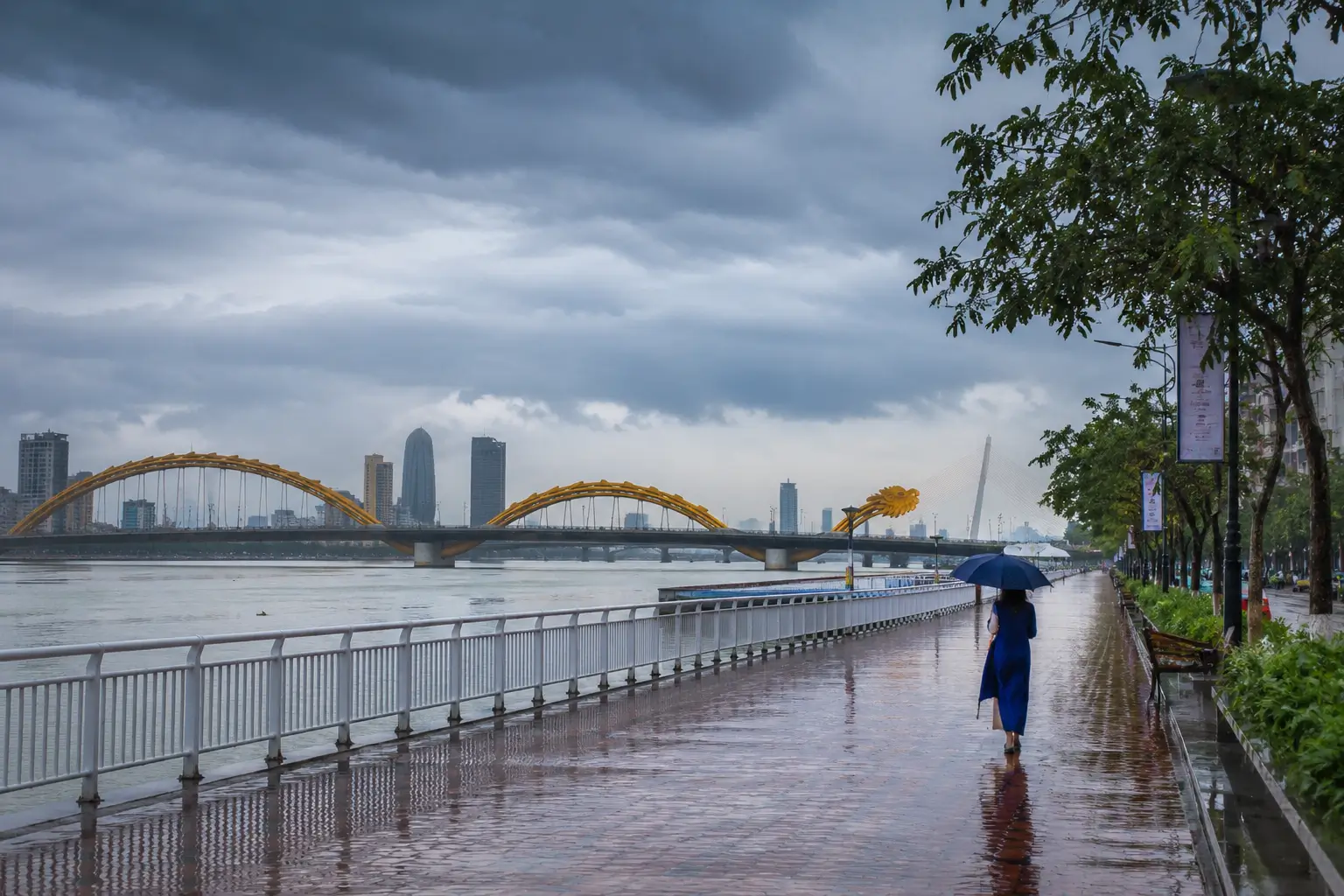
What Is the Weather Like During Da Nang’s Rainy Season?
Expect a combination of warm temperatures, higher humidity, cloudy skies and periods of rainfall. Some days may bring only short afternoon showers, while others, particularly during periods of tropical storms, can experience prolonged or heavier rain.
The weather can also vary considerably from one day to the next. A rainy morning does not necessarily mean a washout for the entire day, which is why keeping your itinerary flexible is one of the best ways to travel during this season.
For outdoor plans such as visiting Son Tra Peninsula, Marble Mountains, Ba Na Hills or the beach, it is worth checking the forecast before setting out. Meanwhile, rainy days can be an opportunity to explore Da Nang’s cafés, museums, local cuisine and wellness experiences instead.
If you are visiting Da Nang during the rainy season, avoid planning every day around outdoor sightseeing. A flexible itinerary gives you the freedom to make the most of clear periods while having enjoyable alternatives when the rain arrives.
Da Nang Rainy Season by Month
| Month | Typical Conditions | Travel Considerations |
| September | Rainfall starts to increase while temperatures remain warm. | Outdoor activities are still possible, but flexible planning is recommended. |
| October | Wettest period, with frequent and sometimes prolonged heavy rain. | Expect weather disruptions and prioritize indoor or flexible activities. |
| November | Heavy rainfall continues, with cooler temperatures and possible storms. | Beach activities may be limited; allow extra flexibility for transportation. |
| December | Rainfall generally decreases, but wet and cloudy days remain possible. | Suitable for a relaxed trip focused on food, culture, cafés, and indoor experiences. |
Is Da Nang Crowded During the Rainy Season?
If you prefer experiencing a destination without the bustle of peak travel periods, the rainy season can be an attractive time to visit Da Nang. As rainfall becomes more frequent from late summer into the final months of the year, visitor numbers generally ease compared with the busier summer season. Popular beaches, attractions and restaurants may feel more spacious, giving you greater freedom to explore without having to navigate through large crowds or plan every stop around peak hours.
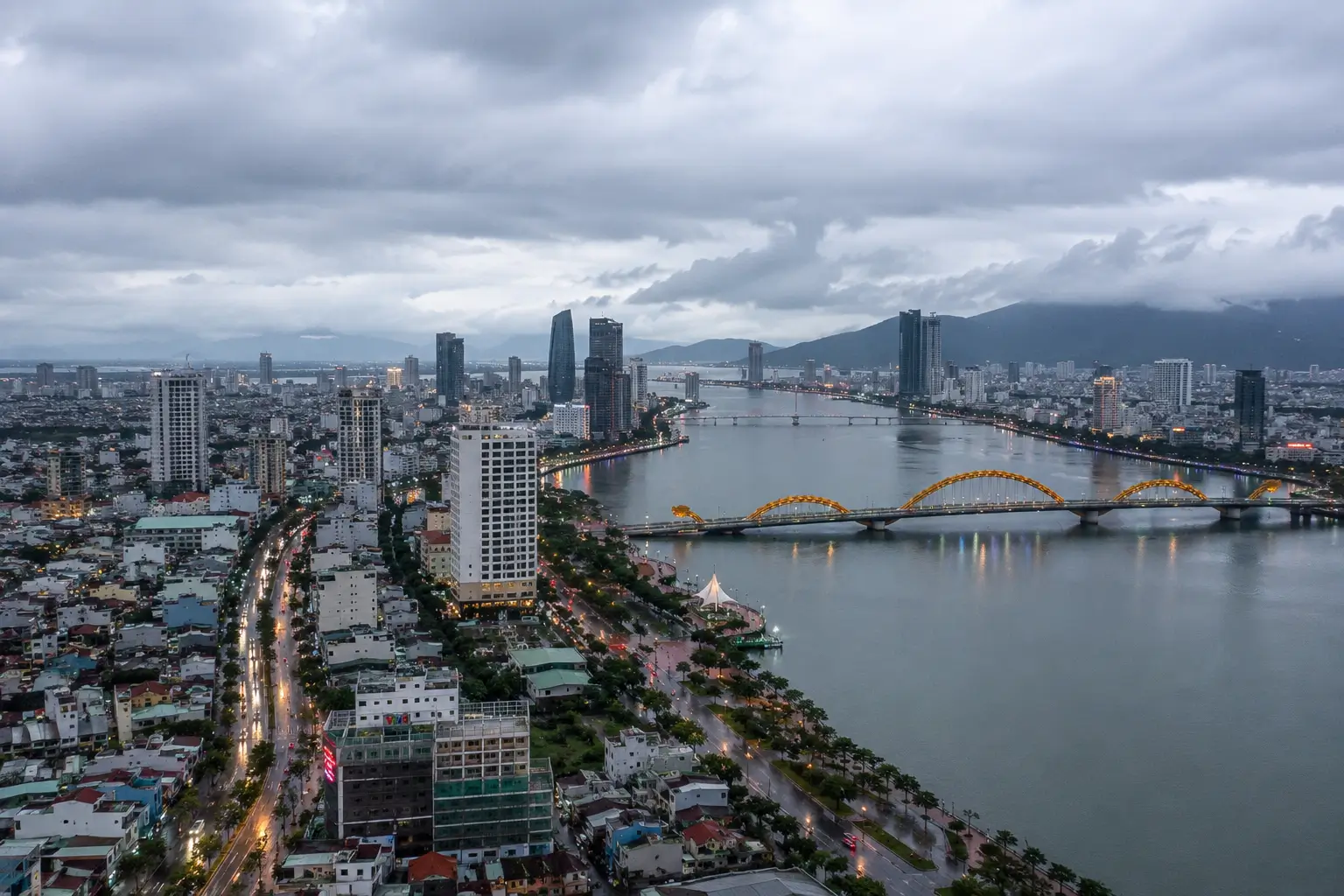
That said, the rainy season does not mean Da Nang becomes completely quiet. Weekends, public holidays and stretches of favourable weather can still bring plenty of visitors, particularly to well-known attractions such as Ba Na Hills, Marble Mountains and Son Tra Peninsula. The difference is more about the overall atmosphere: instead of the constant energy of peak season, you may find more pockets of quiet throughout the day and more flexibility in how you experience the city.
For travellers who value a more personal and flexible holiday, this can be one of the rainy season’s biggest advantages. A cloudy morning might mean postponing a beach visit, but it could also give you time to linger over breakfast, explore a local café, enjoy Da Nang’s food scene or retreat to a spa before heading out when the weather clears. At a wellness resort such as TIA Wellness Resort, where spa treatments, yoga and other indoor experiences are part of the stay, fewer crowds and unpredictable weather can naturally encourage a different kind of itinerary, one that leaves more room for experiences rather than a packed sightseeing schedule.
Explore Private Retreats at TIA Wellness Resort
So, is Da Nang crowded during the rainy season? Generally, it is less busy than during the peak travel months, but not empty. If you are willing to work around the weather, the quieter atmosphere can actually be one of the reasons to consider visiting during this time.
What Can You Do in Da Nang When It Rains?
Rain does not have to mean putting your Da Nang itinerary on hold. In fact, travelling during the wetter months comes with a few advantages that are easy to overlook. As it is generally outside the city’s busiest beach season, you may find fewer crowds and more competitive flight and accommodation rates, particularly when travelling on weekdays or outside public holidays. The weather can also encourage a different kind of trip, with more time to explore Da Nang’s food, culture, cafés and wellness experiences rather than trying to fill every hour with outdoor activities.
The key is simply to plan with the weather instead of against it. When rain arrives, these are some of the best ways to make the most of your time in Da Nang.
1. Indulge in a Spa and Wellness Experience
A rainy afternoon is an ideal opportunity to step away from sightseeing and give yourself time to unwind. Instead of waiting for the skies to clear, settle into a spa experience where the weather outside becomes little more than background scenery.
At TIA Wellness Resort, the Wellness Centre features 22 treatment rooms, along with hydrotherapy facilities, steam and sauna rooms and dedicated relaxation spaces. Whether you choose a signature treatment or spend time moving between the different wellness facilities, a rainy day can become an opportunity to experience a different side of Da Nang.
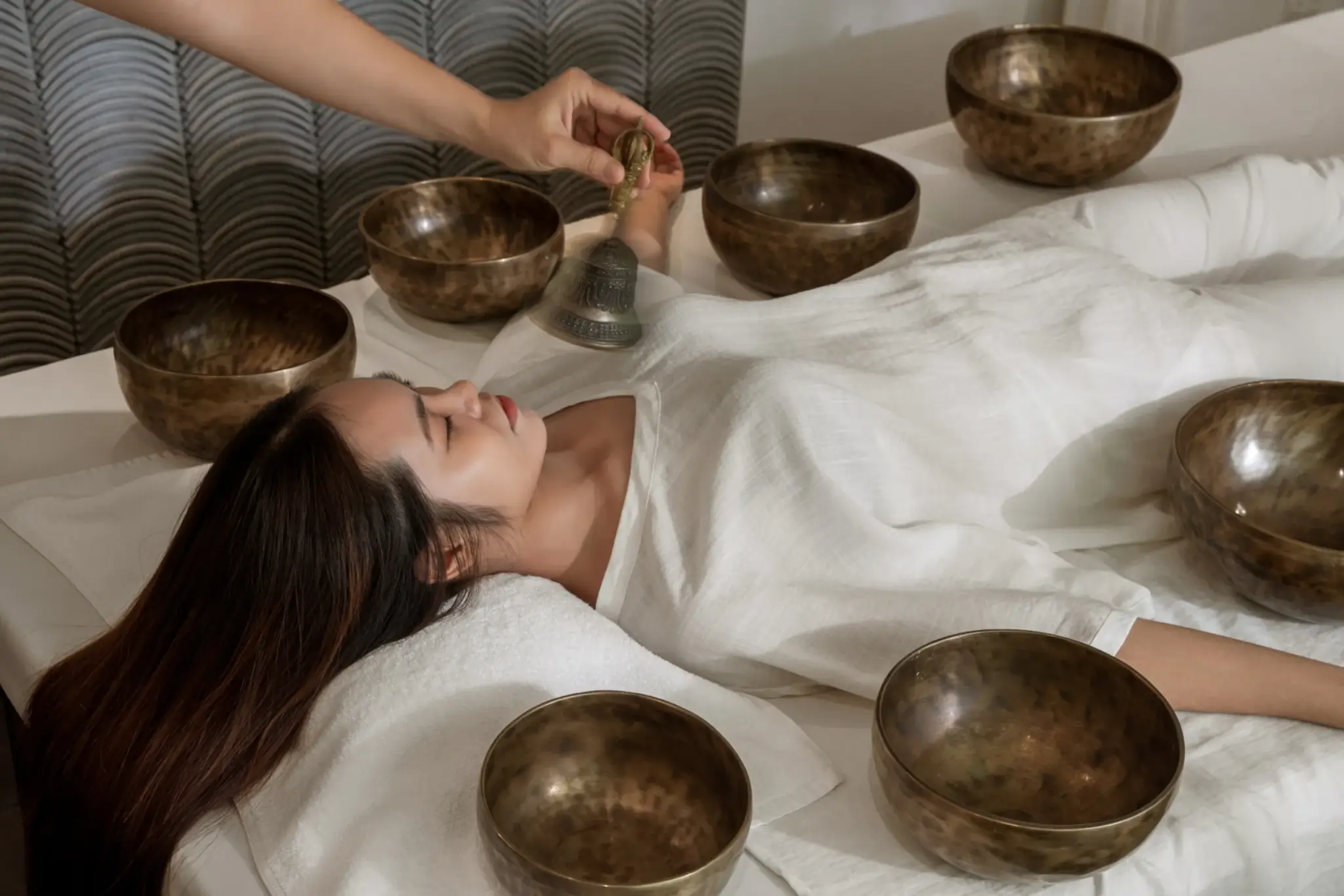
There is something particularly fitting about enjoying a warm hydrotherapy experience or a soothing treatment while rain falls outside. With nowhere else you need to be, the afternoon can unfold around your own pace rather than a sightseeing schedule.
For travellers who want their Da Nang getaway to feel like more than a checklist of attractions, rainy weather can be the perfect excuse to make time for wellbeing.
Let the weather slow down your itinerary, not your experience. With TIA’s Wellness-Inclusive stay, your Da Nang getaway can include spa treatments and daily wellness activities alongside your resort stay.
2. Discover Da Nang Through Its Food and Café Culture
When the rain starts falling, there is no better time to slow down over a good meal or settle into a cosy café with a cup of Vietnamese coffee.
Da Nang’s food scene offers plenty to explore, from local favourites such as mi Quang and banh xeo to fresh seafood and the city’s distinctive coffee culture. Instead of rushing from one attraction to another, a rainy day gives you the chance to take your time, order another dish or simply watch the city through a café window.
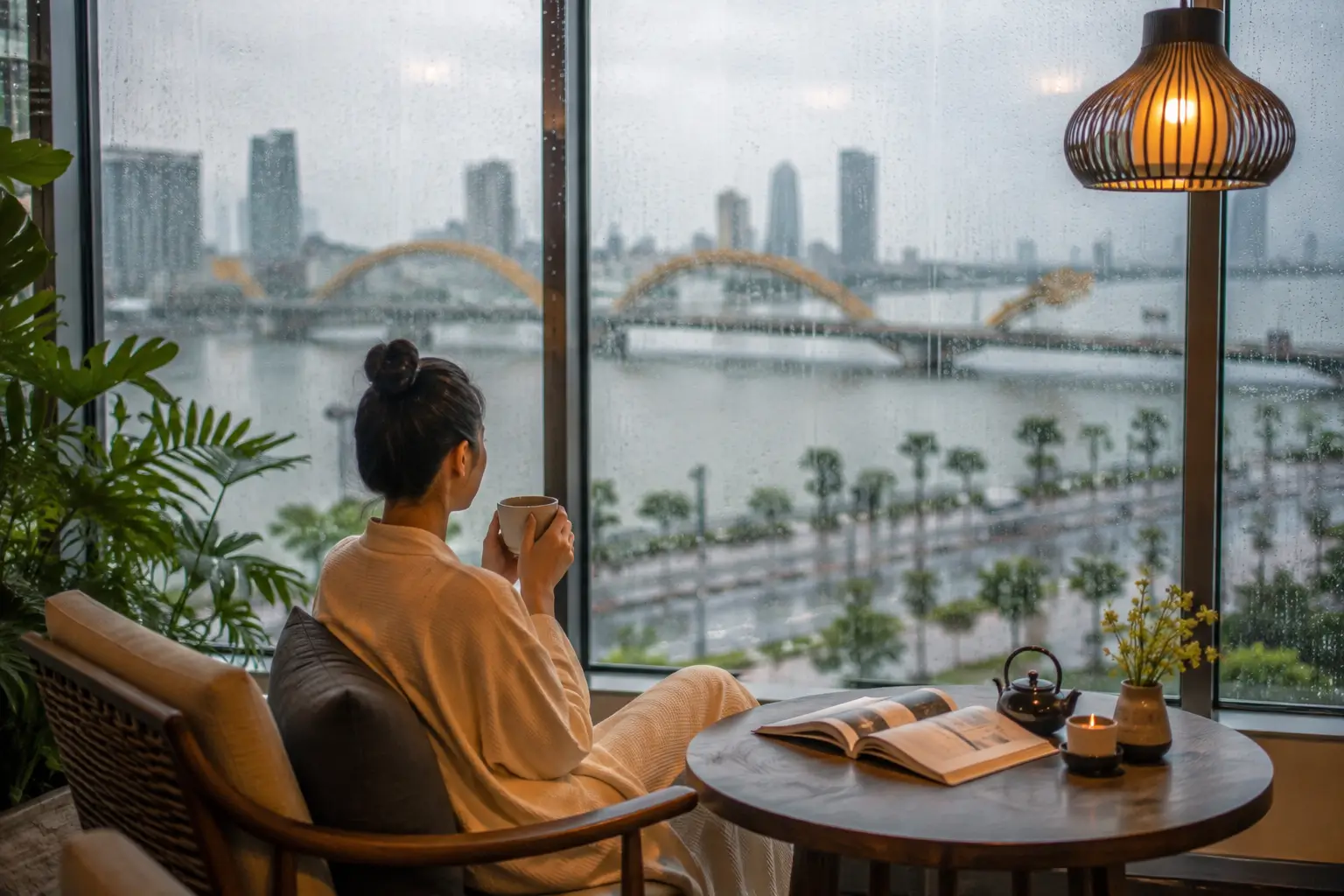
For wellness-minded travellers, dining can also become part of the experience. At TIA, the Wellness Kitchen takes a plant-forward approach built around fresh, natural ingredients, making mealtimes another opportunity to nourish the body while enjoying a slower-paced day indoors.
And there is something particularly enjoyable about discovering Vietnamese cuisine while rain taps against the windows. It turns an ordinary meal into a memorable part of the journey.
3. Explore Da Nang’s Museums and Cultural Attractions
Not every Da Nang experience requires blue skies. When outdoor plans are interrupted, turn your attention to the city’s cultural side.
The Da Nang Museum of Cham Sculpture is an excellent choice for travellers interested in the history and artistic heritage of Central Vietnam. Its collection provides an opportunity to discover the craftsmanship and cultural traditions of the ancient Champa civilisation while staying comfortably indoors.
You can also use a rainy day to explore local markets, browse small shops or discover Da Nang’s contemporary café and creative scene. These experiences offer a different perspective of the city, one that you might otherwise miss while spending your days at the beach or moving between major attractions.
The advantage of building cultural stops into your itinerary is flexibility. If the forecast shows rain, you can simply switch an outdoor excursion for a museum visit without losing a valuable day of your holiday.
4. Join a Wellness Activity or Creative Workshop
Rainy days can also create space for experiences you might not normally fit into a sightseeing-heavy itinerary. Instead of spending the day waiting for the weather to improve, use the time to move, learn, create or try something completely new.
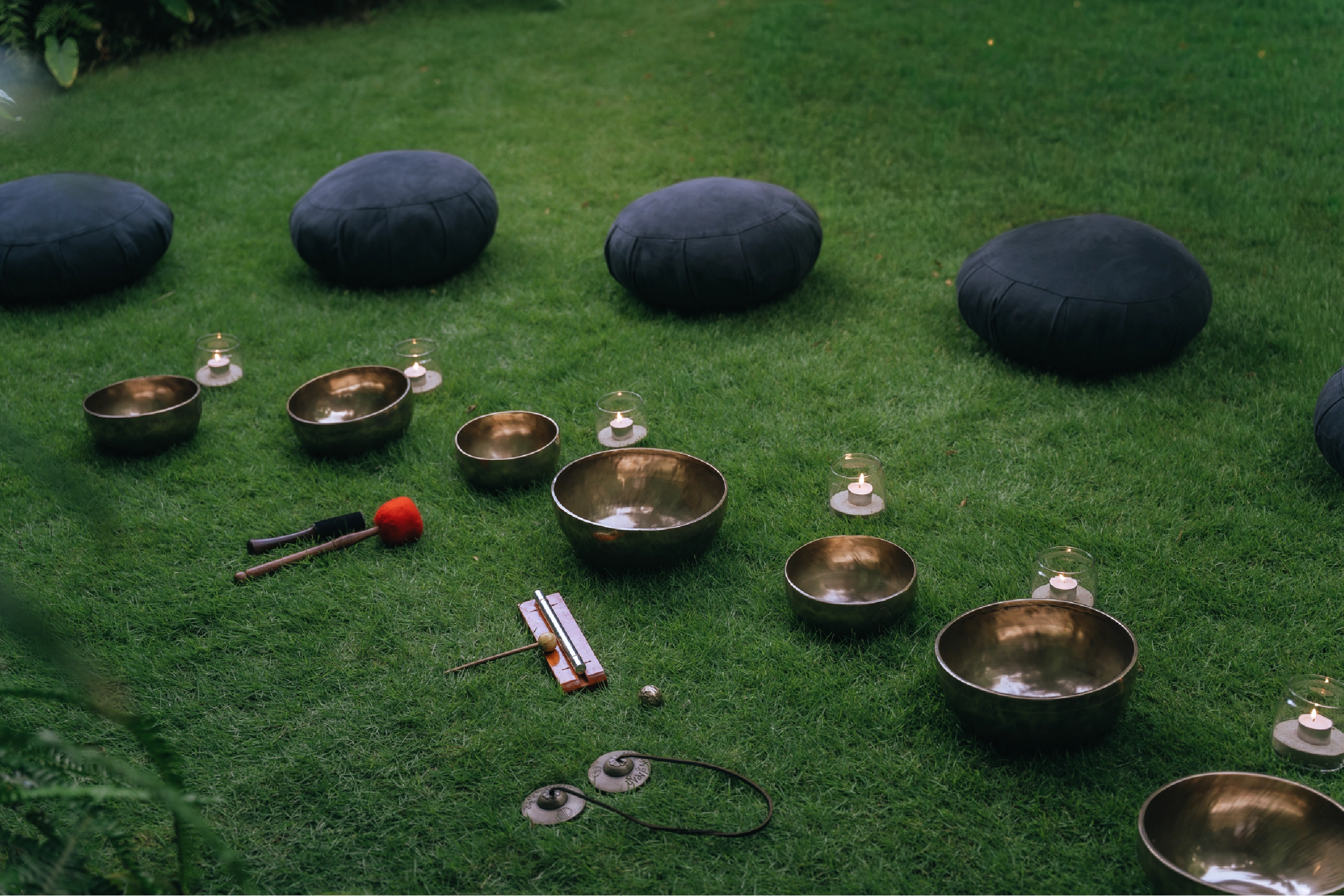
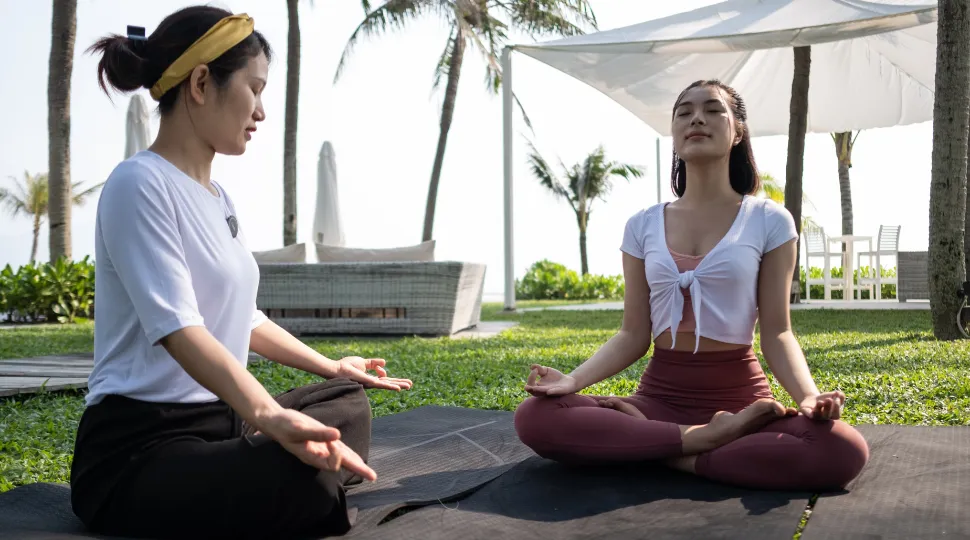
TIA’s wellness programme brings together a variety of activities across four pillars: Flow, Breathe, Create and Nourish. Depending on the schedule, guests can take part in experiences such as yoga, breathwork, HIIT, creative workshops and other activities designed to make wellbeing an engaging part of the stay.
The appeal is not simply that these activities happen indoors. They give your holiday a sense of variety. You might spend part of the day exploring Da Nang, then return to the resort for a breathwork session or creative workshop when the rain arrives.
After all, a memorable trip is not always about how many places you manage to see. Sometimes, it is about the experiences you would not have made time for otherwise.
5. Wait for the Rain to Clear and Explore Outdoors
Perhaps the most important thing to remember about Da Nang’s rainy season is that rain does not necessarily last all day. Weather can shift quickly, so there may still be opportunities to enjoy the city’s outdoor attractions between showers.
If the skies clear, head out for a walk along My Khe Beach, explore the streets of Da Nang, or make your way towards attractions such as Son Tra Peninsula or the Marble Mountains, depending on road and weather conditions. For longer excursions to Ba Na Hills or Hoi An, it is worth checking the forecast carefully and allowing extra flexibility in your schedule.
Rather than trying to predict every hour of your trip, leave some open space in your itinerary. A flexible approach allows you to enjoy the outdoors when conditions are favourable and return indoors when they are not.

Ultimately, a rainy day in Da Nang is less about finding ways to escape the rain and more about having enough experiences to make the weather irrelevant. With good food, cultural discoveries, wellness activities and the comfort of a thoughtfully designed resort, even a grey day can become one of the most enjoyable parts of your stay.
Places to visit in Da Nang during the rainy season
Rain may change your plans, but it does not mean you have to stay indoors for the entire trip. In fact, one of the best ways to enjoy Da Nang during the rainy season is to choose attractions that can work well with changing weather. Some are best explored during a short break in the rain, while others offer enough indoor or sheltered experiences to remain enjoyable when the skies are cloudy.
Rather than trying to fit every famous attraction into one itinerary, consider choosing places that match the weather on the day. Here are some destinations worth keeping on your list.
- Museum of Cham Sculpture: When rain interrupts your outdoor plans, the Museum of Cham Sculpture is an excellent place to discover another side of Da Nang. Home to an extensive collection of Cham artefacts and sculptures, the museum offers a fascinating look into the artistic heritage and history of Central Vietnam. It is also one of the easiest attractions to incorporate into a rainy-day itinerary because you can explore the collection entirely indoors without worrying about changing weather.
- Da Nang Museum: For travellers who want to understand more about the city’s history and cultural development, Da Nang Museum is another worthwhile stop. A visit here can turn a grey afternoon into an opportunity to learn more about the region, from its historical periods to local traditions. It is particularly suitable for days when persistent rain makes outdoor sightseeing less comfortable.
- My Khe Beach: My Khe may be best known for its sunny coastline, but you do not necessarily have to remove it from your rainy-season itinerary. If the rain is light and conditions are safe, a brief walk along the beach can offer a completely different atmosphere, with fewer people and dramatic cloud formations over the sea. However, avoid swimming or staying close to the shoreline during thunderstorms, strong winds or rough seas. The beach is best treated as a flexible stop that you can visit when the weather gives you a window.
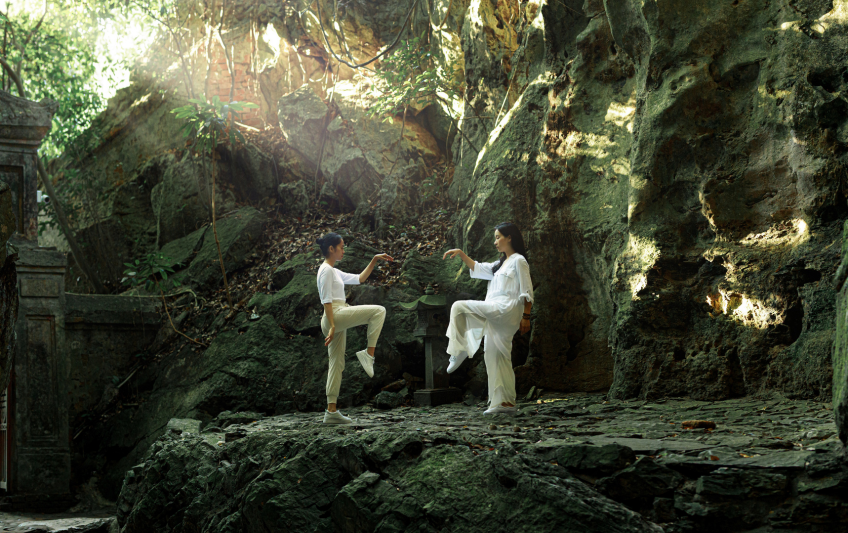
- Marble Mountains: Marble Mountains combines caves, Buddhist sanctuaries, temples and striking natural formations, making it one of Da Nang’s most distinctive attractions. Some areas are sheltered, but the stone steps and paths can become slippery when wet. If you visit during the rainy season, choose a period of lighter weather, wear shoes with good grip and check conditions before setting out. When the rain clears, the mist around the mountains can create a particularly atmospheric setting for exploration and photography.
- Son Tra Peninsula: Son Tra is a beautiful choice when the weather is clear enough for outdoor exploration. Its winding roads, forested landscapes and coastal viewpoints offer a refreshing contrast to the city. During the rainy season, however, conditions can change quickly, so it is important to check the weather and road conditions before travelling. If visibility is poor or heavy rain is forecast, save Son Tra for another day and choose an indoor experience instead.
- Ba Na Hills: Ba Na Hills can remain an option during the rainy season, particularly for travellers who want to visit the famous Golden Bridge. However, weather conditions at the mountain resort can be very different from those in central Da Nang. Cloud, fog and rain can affect visibility, so check the forecast before making the trip. If your main reason for visiting is photography, a clearer day will usually offer a better experience.
- Hoi An Ancient Town: Although technically outside Da Nang, Hoi An is close enough to make a popular day trip from the city. Its atmospheric old streets, heritage architecture, cafés, boutiques and restaurants can be enjoyed even when the weather is overcast. A rainy afternoon can even add a distinctive mood to the lantern-lit streets. That said, heavy rain can affect walking conditions and, during periods of significant rainfall, travellers should check local conditions before setting out.
- Han Market: If you want to experience a more everyday side of Da Nang while staying largely sheltered from the weather, Han Market is an easy addition to your itinerary. Browse local produce, Vietnamese snacks, dried foods, souvenirs and other regional specialties while getting a glimpse of the city’s lively trading culture. It is particularly useful as a short stop between other activities when the rain is passing through.
The beauty of visiting Da Nang during the rainy season is that you do not have to choose between sightseeing and staying comfortable. Some days may be perfect for Son Tra or Marble Mountains; others may be better spent discovering museums, enjoying local food or indulging in a wellness experience. Leave room for the weather to shape your plans, and Da Nang can still offer a rewarding holiday long after the summer crowds have gone.
Tips for Visiting Da Nang During the Rainy Season
A little preparation can make a big difference when travelling to Da Nang during the rainy season. Instead of planning your trip around perfect weather, build in some flexibility and make sure you have comfortable alternatives when the rain arrives.
- Check the weather forecast before heading out: Rain can be unpredictable, so check the forecast each morning before planning outdoor activities. This helps you choose the best time for beaches, sightseeing and day trips while avoiding heavy showers or storms.
- Keep your itinerary flexible: Avoid scheduling several outdoor attractions on the same day. Leave some room to swap a beach or sightseeing trip for a museum, café, spa treatment or wellness activity if the weather changes.
- Pack a lightweight rain jacket or compact umbrella: A waterproof layer and small umbrella are useful for sudden showers without taking up much luggage space. Quick-drying clothes can also make moving between indoor and outdoor activities much more comfortable.
- Choose comfortable, water-resistant footwear: Wet pavements, slippery steps and puddles can make sightseeing more challenging. Bring shoes with good grip, especially if you plan to visit places such as Marble Mountains or explore the city on foot.
- Protect your phone and valuables from the rain: A waterproof phone pouch or small dry bag can be surprisingly useful during rainy-season travel. Keep important documents, electronics and other valuables protected whenever you head outdoors.
- Plan indoor experiences as part of your itinerary: Don’t treat indoor activities as an emergency backup. Museums, local cafés, restaurants, shopping and wellness experiences can be equally enjoyable parts of your Da Nang holiday.
- Allow extra time for day trips: Rain can affect traffic and road conditions, particularly when travelling outside the city. Give yourself more time than usual when visiting destinations such as Hoi An, Son Tra Peninsula or Ba Na Hills.
- Be cautious during heavy rain and storms: If there is a thunderstorm, strong wind or severe weather, postpone beach activities and outdoor excursions. Your itinerary can wait; safety should always come first.
- Take advantage of quieter periods: Rainy season is generally outside Da Nang’s busiest beach period, which can mean fewer crowds and potentially more competitive travel rates. Consider travelling on weekdays to make the most of the quieter atmosphere.
- Choose accommodation with plenty to do indoors: A resort with spa facilities, wellness activities, quality dining and comfortable indoor spaces can make rainy days feel like part of the holiday rather than an inconvenience. This is especially valuable when the weather keeps you indoors for several hours.
Da Nang in the rainy season may look different, but it is far from being a destination worth skipping. The skies may be less predictable, yet fewer crowds, potentially better travel rates and a more relaxed atmosphere can open the door to a different kind of holiday. Instead of filling every day with outdoor sightseeing, you can take your time discovering local food and culture, exploring the city between showers, or simply enjoying experiences that do not depend on sunshine.
For travellers who appreciate a more considered approach to travel, rainy season can even be an opportunity. A morning of rain can become an afternoon at the spa; a cancelled beach plan can turn into a leisurely meal or wellness session; and when the clouds finally clear, Da Nang’s beaches, mountains and surrounding destinations are waiting to be explored.
At TIA Wellness Resort, the experience is designed to go beyond the weather. From spa treatments and daily wellness activities to nourishing cuisine and thoughtfully curated experiences, there is always something meaningful to enjoy, whether the day brings blue skies or gentle rain.
FAQs About Da Nang in the Rainy Season
1. When is the rainy season in Da Nang?
The rainy season in Da Nang generally runs from August to December, with rainfall becoming more frequent toward the end of the year. September to November can be particularly wet, while weather conditions may vary from year to year.
2. Does it rain all day in Da Nang during the rainy season?
Not necessarily. Rainfall can range from short showers to longer periods of heavy rain, depending on the day. A rainy morning does not always mean the entire day will be wet, so keeping your itinerary flexible can help you make the most of clearer periods.
3. Is Da Nang worth visiting during the rainy season?
Yes. While you may have fewer guaranteed beach days, the rainy season can offer fewer crowds, potentially more competitive travel rates and a quieter atmosphere. It is also a good time to explore Da Nang’s food, culture, cafés and wellness experiences.
4. Is Da Nang crowded during the rainy season?
Da Nang is generally less crowded outside its peak beach season, although popular attractions can still be busy on weekends, public holidays and days with good weather. Travelling on weekdays can help you enjoy a quieter experience.
5. What are the best things to do in Da Nang when it rains?
Rainy days are ideal for visiting museums, enjoying local cuisine, discovering cafés, shopping at local markets or experiencing a spa and wellness treatment. At TIA Wellness Resort, guests can also enjoy indoor yoga, breathwork, creative activities and other wellness experiences without depending on outdoor weather.
6. Can I visit the beach during Da Nang’s rainy season?
Yes, but beach activities depend heavily on the weather and sea conditions. You can still enjoy a walk along My Khe Beach during lighter weather, but swimming should be avoided during thunderstorms, strong winds or rough seas.
7. Is October a good month to visit Da Nang?
October can be a good time to visit if you are comfortable with unpredictable and potentially heavy rainfall. It is generally quieter than the peak summer months, but travellers should plan flexible itineraries and keep indoor activities as alternatives.
8. What should I pack for Da Nang during the rainy season?
Pack a lightweight rain jacket or compact umbrella, quick-drying clothes and comfortable shoes with good grip. A waterproof pouch or dry bag can also help protect your phone, camera and other valuables from sudden showers.
9. Are flights and hotels cheaper in Da Nang during the rainy season?
Prices can be more competitive outside peak travel periods, but airfare and accommodation rates vary depending on demand, holidays, booking time and the specific dates of your trip. Comparing different dates and booking in advance can help you find better value.
10. Where should I stay in Da Nang during the rainy season?
Consider accommodation that offers plenty of experiences beyond outdoor sightseeing, such as spa treatments, wellness activities, quality dining and comfortable indoor spaces. This allows you to enjoy your stay even when rain changes your plans, making a wellness-focused resort such as TIA particularly well suited to a rainy-season getaway.