There isn’t one single best time to visit Da Nang because every season tells a different story. One visit might greet you with golden beaches and endless sunshine, while another invites you to slow down with misty mornings, nourishing cuisine, and restorative wellness experiences. The perfect time to come depends not only on the weather but also on how you want to feel. This guide will help you discover which season aligns with your travel style, so your trip to Da Nang becomes more than just a vacation.
Understanding Da Nang’s Climate
Before deciding on the best time to visit Da Nang, it’s helpful to understand the city’s tropical climate. Unlike destinations with four distinct seasons, Da Nang experiences two main weather periods that shape the travel experience throughout the year: a dry season and a rainy season. Each offers its own unique charm, making the city an appealing destination no matter when you visit.
The dry season, typically from January to July, is characterized by warm temperatures, abundant sunshine, and relatively low rainfall. Average daytime temperatures range from 24°C to 35°C (75°F–95°F), with the hottest months falling between June and August. Calm seas and long sunny days make this the ideal time for beach holidays, outdoor adventures, and exploring the city’s natural attractions.
The rainy season, from August to December, brings cooler temperatures, increased humidity, and more frequent showers. While October and November often see the highest rainfall, rainy days are not always continuous, and there are still plenty of opportunities to enjoy the city. During these quieter months, Da Nang takes on a more peaceful atmosphere, making it an excellent choice for travelers seeking relaxation, wellness experiences, and a slower pace of travel.

One of the reasons Da Nang remains a year-round destination is its relatively warm climate. Even in the cooler months, temperatures rarely drop below 20°C (68°F), allowing visitors to comfortably explore local attractions, indulge in spa treatments, savor Vietnamese cuisine, or simply unwind by the coast. Rather than asking which season is objectively the best, it’s more useful to consider which time of year best matches the kind of holiday you’re looking for. That perspective will help you choose the best time to visit Da Nang based on your own travel style and priorities.
Best Time to Visit Da Nang by Month
There isn’t a one-size-fits-all answer to the best time to visit Da Nang. Every month offers something different, from cool mornings and comfortable sightseeing weather to vibrant beach days and peaceful rainy-season escapes. Whether you’re planning an active adventure, a family holiday, or a relaxing wellness retreat, this month-by-month guide will help you choose the perfect time for your trip.
March to May is the best overall time to visit Da Nang, thanks to warm weather, relatively low rainfall, and conditions that are not yet as hot or crowded as the peak summer season. April through August is ideal for the beach; February through April is best for sightseeing; September through November carries a risk of heavy rain and storms; and December through January is better suited for culture, cuisine, and wellness activities.

January
Average temperature: 21-25°C (70-77°F)
January is one of the coolest months in Da Nang, offering refreshing temperatures and relatively low humidity. Although occasional showers are still possible, sunny days become increasingly common, creating pleasant conditions for sightseeing without the intense tropical heat.
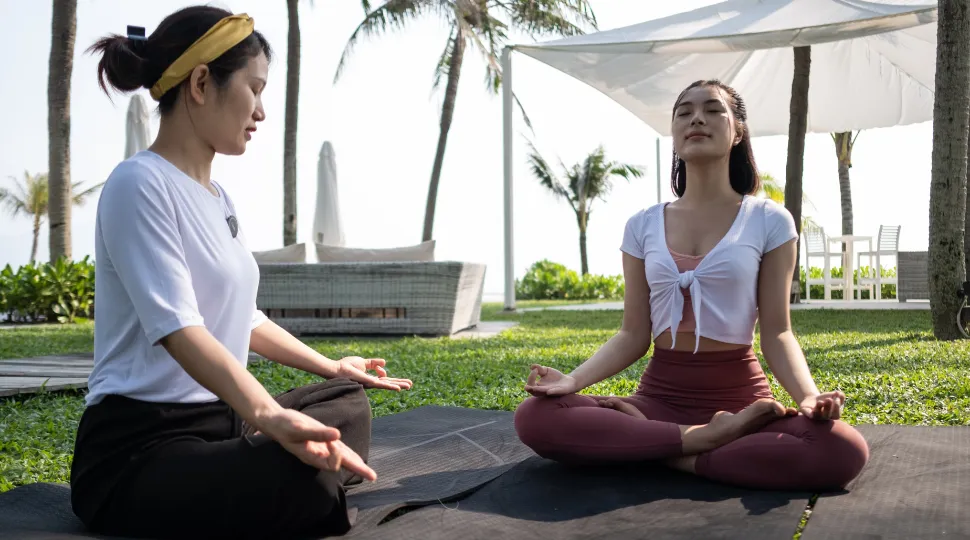
This is an excellent time to explore the Marble Mountains, Son Tra Peninsula, and Hoi An, or simply enjoy long walks along My Khe Beach. The cooler mornings also provide the perfect setting for yoga, meditation, and outdoor wellness activities.
What to wear: Light clothing during the day with a thin sweater or light jacket for early mornings and evenings.
Best for: Couples, wellness travelers, photographers, first-time visitors.
February
Average temperature: 22-27°C (72-81°F)
With longer sunny days and comfortable temperatures, February marks the beginning of one of Da Nang’s most enjoyable travel periods. If your visit coincides with Lunar New Year, you’ll experience colorful decorations, festive markets, and a lively local atmosphere.
The sea begins to warm up, making beach walks more enjoyable, while the city’s parks and gardens are especially vibrant.
What to wear: Breathable clothing, comfortable walking shoes, and a light cardigan for cooler evenings.
Best for: Cultural experiences, sightseeing, family holidays.
March
Average temperature: 24-29°C (75-84°F)
March is often considered one of the best times to visit Da Nang. Sunshine becomes more consistent, humidity remains comfortable, and rainfall is minimal.
Whether you’re hiking scenic viewpoints, enjoying beach cafés, or spending a morning at a wellness retreat, March offers near-perfect conditions for outdoor activities.
What to wear: Summer clothing, sunglasses, sunscreen, and comfortable sandals.
Best for: Outdoor adventures, beach lovers, wellness escapes.
April
Average temperature: 26-31°C (79-88°F)
April welcomes the transition into the beach season. The ocean is calm, skies are mostly clear, and temperatures remain warm without reaching the peak summer heat.
It’s an ideal month for swimming, paddleboarding, island tours, and relaxing by the beach.
What to wear: Lightweight cotton or linen outfits, swimwear, sun hat, and sunscreen.
May
Average temperature: 28-33°C (82-91°F)
May offers abundant sunshine and warm sea temperatures, making it one of the busiest months for beach holidays. Outdoor dining, water sports, and sunset cruises become increasingly popular.
The midday sun can be intense, so early mornings and late afternoons are often the most comfortable times for sightseeing.
What to wear: Breathable clothing, sunglasses, sandals, and plenty of sun protection.
June
Average temperature: 29-35°C (84-95°F)
June is peak summer in Da Nang. Expect hot, sunny weather with minimal rainfall and excellent beach conditions.
This is the perfect month for travelers who want to spend most of their vacation by the ocean, although popular attractions and resorts can be considerably busier.
What to wear: Light-colored clothing, swimwear, hats, and UV protection.
July
Average temperature: 29-35°C (84-95°F)
July continues the vibrant summer atmosphere. Beaches are lively, water activities are in full swing, and many local events take place throughout the city.
Because temperatures remain high, planning outdoor excursions during the cooler hours of the day is recommended.
What to wear: Moisture-wicking clothing, sandals, and plenty of sunscreen.
August
Average temperature: 28-34°C (82-93°F)
August is often the final month of consistently sunny beach weather before rainfall gradually increases later in the year.
While occasional afternoon showers may occur, they are generally brief and rarely disrupt travel plans.
What to wear: Lightweight summer clothing with a small umbrella for convenience.
September
Average temperature: 27-32°C (81-90°F)
September marks the beginning of the rainy season, although many days remain warm and sunny. Tourist crowds begin to thin, creating a more relaxed atmosphere across the city.
Travelers who value quieter beaches and better accommodation deals often enjoy visiting during this month.
What to wear: Summer clothing plus a compact rain jacket or umbrella.
October
Average temperature: 25-29°C (77-84°F)
October typically experiences the highest rainfall of the year. While heavy showers are possible, rain often comes in bursts rather than lasting all day.
This is a wonderful time to enjoy cafés, local cuisine, spa experiences, and indoor wellness activities.
What to wear: Quick-drying clothes, waterproof footwear, and a lightweight raincoat.
November
Average temperature: 23-27°C (73-81°F)
November remains part of the rainy season, but cooler temperatures create a cozy atmosphere throughout the city.
It’s an ideal month for travelers seeking a slower itinerary focused on relaxation rather than packed sightseeing schedules.
What to wear: Comfortable casual clothing with rain protection.
December
Average temperature: 21-26°C (70-79°F)
December brings cooler weather and gradually decreasing rainfall as Da Nang transitions toward another dry season. The festive atmosphere around Christmas and New Year adds extra charm to the city.
While swimming may not be the main highlight, it’s an excellent time for leisurely exploration, local dining, and wellness retreats.
What to wear: Light layers, a thin jacket for evenings, and comfortable walking shoes.
Best Time to Visit Da Nang Based on Your Travel Style
The best time to visit Da Nang isn’t simply about choosing the sunniest month, it’s about choosing the experience you want. While the city’s weather changes throughout the year, every season offers something unique, making Da Nang a destination that can be enjoyed in different ways depending on your travel style.

If your dream holiday is all about beaches and outdoor adventures, plan your trip between April and August. Warm temperatures, clear skies, and calm seas create ideal conditions for swimming, water sports, island tours, and relaxing along Da Nang’s beautiful coastline. This is also the busiest travel season, so booking your accommodation early is recommended.
For travelers who love sightseeing and exploring, January to March is often the most comfortable time to visit. The cooler weather and lower humidity make it easier to discover attractions such as the Marble Mountains, Son Tra Peninsula, Hai Van Pass, and nearby Hoi An without the intense summer heat.
If you’re traveling with family, the summer months are a popular choice thanks to school holidays and the wide variety of beach activities. Couples, meanwhile, often enjoy the quieter months on either side of the peak season, when the city feels more relaxed while still offering pleasant weather for dining, sightseeing, and coastal walks.
When it comes to wellness and relaxation, however, there is no single “best” season. Every time of year offers a different kind of retreat. Sunny days are perfect for outdoor yoga, beach walks, and reconnecting with nature, while the rainy season invites a slower pace, creating the perfect setting for spa treatments, mindful dining, and moments of quiet reflection. Ultimately, the best time for a wellness escape isn’t determined by the calendar, it’s whenever it fits your schedule, your budget, and most importantly, what you need at that moment.
Tips for Planning Your Da Nang Trip
No matter when you decide to visit, a little planning can make your trip to Da Nang even more enjoyable. From packing the right clothing to booking accommodations at the right time, these simple tips will help you make the most of your stay and enjoy a smoother, more relaxing travel experience.
- Book early if you’re traveling during the peak season. If you’re visiting between April and August or during major holidays, reserve your flights and accommodation well in advance to secure better availability and rates.
- Pack for the season. Lightweight, breathable clothing is ideal year-round, while a light jacket is useful for cooler evenings from January to March. If you’re visiting during the rainy season, don’t forget a compact umbrella or waterproof jacket.
- Protect yourself from the sun. Da Nang enjoys plenty of sunshine, especially in the summer months. Sunscreen, sunglasses, a wide-brim hat, and a reusable water bottle will help you stay comfortable while exploring outdoors.
- Plan outdoor activities in the morning or late afternoon. During the hotter months, temperatures can be quite high around midday, making early mornings and evenings the best times for sightseeing, hiking, or visiting the beach.
- Leave room for relaxation. Instead of filling every hour with sightseeing, allow yourself time to slow down. Whether it’s enjoying a leisurely beachfront breakfast, unwinding with a spa treatment, or simply watching the sunset, these quieter moments often become the most memorable part of the journey.
- Check the weather forecast before your trip. If you’re visiting between September and December, keeping an eye on the forecast will help you plan outdoor excursions more efficiently and make the most of sunny intervals.
Ultimately, the best time to visit Da Nang is the one that matches your interests and travel goals. With the right preparation and a flexible itinerary, you’ll be ready to experience everything this vibrant coastal city has to offer, whether you’re seeking adventure, cultural discovery, or a peaceful wellness escape.
No matter which season you choose, where you stay can shape your experience just as much as the weather. If you’re looking to balance exploration with moments of rest, TIA Wellness Resort offers a tranquil beachfront setting where wellness is woven into every stay. From daily wellness experiences and nourishing cuisine to spa treatments and peaceful ocean views, it’s a place designed to help you slow down, recharge, and make the most of your time in Da Nang, whatever the season.
When Is the Best Time for a Wellness Stay at TIA?
The weather may shape your days in Da Nang, but it does not have to define the quality of your stay. At TIA Wellness Resort, each season creates a different rhythm for rest, discovery, and reconnection.
March to May: The Best Balance of Beach, Culture, and Wellness
Warm, mostly dry days make this the most versatile time to stay at TIA. Begin with a sunrise walk or guided yoga practice, enjoy an unhurried breakfast by the beach, then explore the Marble Mountains, Son Tra Peninsula, or nearby Hoi An. Returning to a wellness treatment and the privacy of your own pool villa creates a natural balance between discovery and restoration.
June to August: A Sun-Filled Summer Escape
Summer is ideal for guests who want the beach, warm water, and Da Nang’s most energetic atmosphere. Plan swimming and outdoor activities for the cooler morning or late afternoon hours. During the midday heat, retreat to your private villa, join a creative or breathwork session, or enjoy two wellness treatments per night, totalling 80 minutes per person. All-day breakfast, poolside dining, and a wellness floating tray allow the day to unfold without a fixed schedule.
September to November: A Flexible, Wellness-Led Stay
This period brings a higher chance of heavy rain, rough seas, and tropical storms. Travel plans should remain flexible, and official weather guidance must always take priority. On calmer rainy days, TIA offers a restorative alternative to a weather-dependent itinerary through personalised treatments, guided breathwork, creative workshops, nourishing in-villa dining, the Art Lounge, and healthy cooking experiences.
December to February: Cooler Days for Culture and Restoration
Cooler weather suits cultural excursions, mindful movement, spa treatments, and slower meals. Beach swimming may be less reliable, but guests can combine clear-weather visits to Hoi An or Da Nang’s museums with Wellness Inclusive or a deeper Retreat Inclusive journey. For Retreat Inclusive guests, a personalised wellness guide and plant-based full-board menu help create a stay centred on meaningful rest rather than a packed sightseeing schedule.
Whatever month you choose, the best TIA experience begins by matching the season with the way you want to feel.
Planning your trip around rest as well as discovery? Explore how TIA’s private pool villas and Wellness Inclusive experiences adapt to every season.
Conclusion
There is no single best time to visit Da Nang because every season offers something unique. Some travelers come for endless sunshine and beach adventures, while others are drawn to cooler weather, cultural experiences, or the chance to slow down and recharge. The perfect time to visit is simply the one that matches your travel goals, schedule, and the kind of memories you want to create.
No matter when you arrive, Da Nang welcomes you with stunning coastal scenery, rich local culture, exceptional cuisine, and opportunities to reconnect with both nature and yourself. Plan your trip around the experiences that matter most to you, and you’ll discover that every season has its own reasons to fall in love with this remarkable destination.
Frequently Asked Questions (FAQs)
1. What is the best month to visit Da Nang?
Many travelers consider March to May the best time to visit Da Nang thanks to warm temperatures, low rainfall, and comfortable conditions for sightseeing, beach activities, and outdoor experiences. This period also offers a good balance between pleasant weather and manageable visitor numbers.
2. Is Da Nang worth visiting during the rainy season?
Yes. Although September to December brings more rainfall, Da Nang remains an enjoyable destination. Rain showers are often intermittent, allowing time to explore local cafés, museums, cultural attractions, and wellness experiences. It can also be a quieter season with fewer crowds and attractive accommodation rates.
3. When is the best time to visit Da Nang for the beach?
If your priority is swimming, sunbathing, and water sports, the best time to visit Da Nang is from April to August. During these months, you’ll typically enjoy sunny skies, calm seas, and warm water temperatures that are ideal for beach holidays.
4. What is the cheapest time to visit Da Nang?
Traveling during the rainy season, especially from September to November, often means lower hotel prices and fewer tourists. While the weather can be less predictable, flexible travelers may find better deals on accommodation and flights during this period.
5. Is winter a good time to visit Da Nang?
Yes. December to February offers cooler temperatures that are comfortable for sightseeing, cultural experiences, and wellness retreats. While the sea may be cooler for swimming, it’s an excellent season to explore the city, enjoy local cuisine, and relax at a resort.
6. When is the best time for a wellness retreat in Da Nang?
There is no single best season for a wellness retreat. Sunny months are ideal for beach walks, outdoor yoga, and nature experiences, while the rainy season creates a peaceful atmosphere for spa treatments, mindfulness, and restorative relaxation. The best time ultimately depends on the type of wellness experience you’re looking for.
7. How many days should I spend in Da Nang?
A stay of 3 to 5 days is ideal for most travelers. This gives you enough time to visit iconic attractions such as the Marble Mountains, Son Tra Peninsula, and Hoi An, while also enjoying Da Nang’s beaches, local cuisine, and wellness experiences without feeling rushed.
8. When should I avoid visiting Da Nang?
If your itinerary focuses heavily on beaches and outdoor adventures, it’s worth noting that October and November typically receive the highest rainfall and may experience tropical storms. Checking the weather forecast before your trip is recommended if you’re traveling during these months.